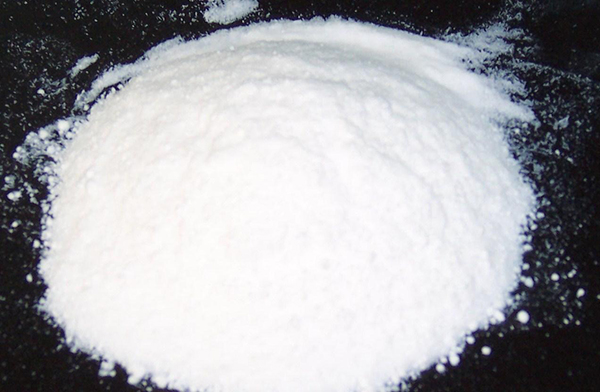
(August 11, 2026)On August 11, 2026, China’s white carbon black market entered a mid-month adjustment phase. Having emerged from the sluggish off-season in July, downstream industries have launched orderly stockpiling, pushing trading activity steadily higher. Solid cost support from upstream raw materials, preparation for the peak season in the traditional rubber sector, and expanding demand for photovoltaic, energy storage and new energy vehicle supporting materials have jointly lifted market sentiment slightly. Nevertheless, structural supply-demand imbalance remains unresolved. Conventional precipitated silica still suffers from severe overcapacity and inventory backlogs, leaving little room for price gains. In contrast, high-dispersion tire-grade silica, hydrophobic fumed silica and other functional varieties are in tight supply with ample domestic and overseas orders, widening the price gap between high-end and low-end products continuously.
In terms of pricing, regional and grade-based price gaps have expanded further across the country. According to national chemical big data monitoring, the average price of precipitated silica edged up moderately this week, with stark disparities between regions and product grades. As the core trading hub nationwide, East China sees tax-inclusive ex-factory prices of 6,020–6,380 yuan per ton for high-dispersion precipitated silica formulated for new energy tires. In northern production areas such as Shandong and Henan, sales of general industrial-grade precipitated silica face headwinds, with mainstream transaction prices ranging from 5,250 to 5,820 yuan per ton. Dragged by weak demand, low-end filler-grade silica lingers at rock-bottom levels, with average transaction prices below 2,750 yuan per ton. High-purity specialty silica for food anticaking agents and pharmaceutical carriers maintains firm prices above 6,650 yuan per ton thanks to stringent production thresholds and stable demand. Backed by tightened supply of organosilicon feedstocks, the fumed silica market stays robust throughout. Domestic conventional hydrophilic fumed silica is quoted at 20,300–23,900 yuan per ton, while premium hydrophobically modified grades hold steady at 25,600–28,800 yuan per ton. Imported high-end fumed silica is in acute spot shortage; delivery schedules have generally been postponed to mid-to-late September, with quotations ranging from 29,200 to 39,200 yuan per ton.
Sustained cost support has formed a solid floor for market prices. Three major raw materials for precipitated silica production — soda ash, water glass and sulfuric acid — have all trended upward. Domestic soda ash manufacturers carried out annual scheduled maintenance, reducing market supply and pushing spot prices up by more than 500 yuan per ton month-on-month. Sulfuric acid prices rose slightly amid rebounding operating rates in downstream fertilizer and metallurgical sectors alongside routine plant maintenance. Stable quotations for industrial silicon and methylchlorosilanes have further raised manufacturing costs for fumed silica. Meanwhile, regular supervision of environmentally friendly and low-carbon production has been fully enforced. Mandatory standards covering wastewater resource recycling, comprehensive utilization of by-product sodium sulfate and unit energy consumption have forced numerous small and medium-sized enterprises with outdated techniques and substandard environmental compliance to cut output or exit the market. Industrial resources have gradually concentrated among leading enterprises, optimizing the overall competitive landscape.
Downstream demand follows a dual-driving pattern: recovery in traditional industries and rapid expansion of emerging sectors. As the largest consumption field for white carbon black, the tire and rubber industry has accelerated pre-peak stockpiling. Major domestic tire manufacturers have continuously lifted operating rates, while formulation optimization for new energy passenger vehicle tires has boosted the proportion of high-dispersion silica year after year. Capable of lowering rolling resistance, extending driving range and enhancing wet road grip, such products boast tight order backlogs and prosperous production and sales. Manufacturers of rubber hoses, sealing gaskets, rubber footwear and other traditional rubber products only conduct small-batch replenishment on demand, without large-scale centralized stockpiling.
Demand from coatings and outdoor building protection sectors has been steadily released. The widespread adoption of water-based eco-friendly coatings has lifted consumption of white carbon black as rheology modifiers, matting agents and anti-settling additives. As autumn approaches, exterior wall renovation, stone preservation and concrete anti-seepage projects have commenced one after another, expanding application scenarios for hydrophobic silica compounded with silane systems. Silicone sealants for photovoltaic encapsulation, potting adhesives for energy storage modules and insulating silicone rubber for electronic components have emerged as new growth drivers. Expanding domestic photovoltaic installed capacity has fueled demand for silicone rubber, driving the annual consumption growth rate of white carbon black in this segment to exceed 14%. Trial orders and bulk purchases of ultra-fine modified precipitated silica and hydrophobic fumed silica keep pouring in. Additionally, demand from fine chemical subdivisions including pesticide sustained-release carriers, daily chemical thickeners and feed additives has risen steadily, continuously broadening the application scope of white carbon black.
Production scheduling strategies diverge sharply across suppliers. The precipitated silica sector features massive overall capacity and persistently high inventory levels for generic products. To avoid inventory buildup, small and medium-sized factories keep operating rates between 73% and 80%, adopting production-to-order models and curbing output of low-end goods. Leading enterprises have accelerated product portfolio transformation by slashing capacity for low-priced generic grades and prioritizing production of high-dispersion tire-specific, hydrophobically modified and ultra-fine functional silica, effectively digesting inventories and lifting profit margins. Restrained by limited supply of upstream organosilicon monomers, the overall operating rate of the fumed silica sector remains low at 64%–67%, with scant spot inventories and strong resilience against price declines. Exports deliver impressive results. Steady demand for infrastructure and building materials in Southeast Asia, green tires in Europe, and rubber and plastic goods in Latin America has lifted global recognition of high-performance Chinese white carbon black, generating abundant overseas orders that effectively ease cutthroat competition in the domestic low-end market and serve as a key revenue growth driver for the industry.
Technological innovation and low-carbon green transformation are being pushed forward in depth. Domestic new material enterprises have continued to tackle core preparation technologies for high-dispersion silica, bringing its reinforcement, weather resistance, anti-aging and wear resistance indicators on par with top international brands and speeding up import substitution for high-end products. Widespread application of wastewater recycling and by-product reuse has cut pollutant emissions while lowering comprehensive production costs. On the global stage, major overseas chemical conglomerates keep expanding white carbon black capacity in North America to serve green tire production. This opens up new overseas opportunities for Chinese suppliers while intensifying international competition.
Industry research institutions forecast that the traditional peak consumption season will fully arrive from late August to early September. Tire and rubber product manufacturers will ramp up stockpiling efforts, and stable upstream raw material costs will underpin a mild upward trend for the overall white carbon black market. However, excess capacity of conventional precipitated silica cannot be digested in the short term, capping sharp price hikes; prices will fluctuate and inch upward moderately. High-dispersion tire-specific silica, hydrophobic fumed silica and new energy-oriented modified silica will stay in tight supply, outperforming ordinary industrial-grade varieties by a wide margin. In the long run, phasing out backward low-end capacity, investing deeply in functional modification research, capturing dividends from the new energy sector and consolidating overseas export markets are the inevitable path for China’s white carbon black industry to escape vicious price competition and achieve sound, sustainable high-quality development.