(August 05, 2026)Early August 2026 witnesses profound changes within China’s precipitated silica industry. Divergent downstream operating rates, volatile raw‑material and energy costs, stricter environmental compliance, booming new‑energy sectors and shifting global procurement jointly reshape market supply‑demand balance. A clear market divide has taken shape. Mass‑market filling‑grade precipitated silica suffers from ample supply, fierce rivalry and squeezed profit margins. Meanwhile, high‑end surface‑modified precipitated silica designed for new‑energy tires, photovoltaic silicone rubber, water‑borne environmental‑friendly coatings and biodegradable polymers sees robust market demand together with extended order lead‑times. Field surveys across major production hubs, trading firms and end‑use manufacturers show that market resources are gravitating toward leading enterprises owning independent modification R&D capabilities and robust quality assurance frameworks. The old business model that relies merely on capacity expansion and price competition is facing mounting limitations.
Domestic overall capacity remains elevated, yet operating rates differ sharply across various product grades. General‑purpose precipitated silica applied in ordinary rubber goods and low‑end filling scenarios is well supplied. Numerous small‑and‑medium‑sized production lines keep running non‑stop to avoid shutdown‑caused losses, adopting the small‑profit‑large‑volume sales strategy. Currently, tax‑inclusive transaction prices for general‑grade precipitated silica stand at RMB 5000‑5800 per ton. Price hikes are hardly achievable amid cut‑throat competition. Faced with climbing raw‑material expenses, most small‑and‑medium manufacturers have to bear cost pressure by compressing profit, with many enterprises operating near break‑even points. On the contrary, high‑end precipitated silica with high dispersion, large specific surface area and surface modification keeps gaining market traction. Leading producers’ order backlogs have stretched deep into Q4. Under regular environmental inspections, backward production units failing wastewater treatment, solid‑waste disposal and energy consumption standards keep phasing out, lifting industrial capacity concentration. Modern facilities equipped with continuous synthesis, membrane‑separation water recycling and closed‑loop wastewater treatment have become major domestic suppliers. Furthermore, multiple green manufacturing initiatives are under construction nationwide. Industrial plants producing precipitated silica from industrial by‑product silicon feedstock and biomass materials enter construction and trial‑production phases. These projects will further enrich domestic high‑end product portfolios, lower industrial‑wide energy consumption and carbon footprint, and narrow performance gaps versus imported premium filler goods.
Sodium silicate and sulfuric acid continue to be indispensable feedstocks for precipitated silica production. In early August, multiple sodium silicate production units go through scheduled annual maintenance, resulting in temporary supply contraction. Coupled with rising coal and power prices, the whole industry is under notable cost pressure. Suffering from severe product homogenization, general‑grade precipitated silica lacks pricing power, making downstream cost‑pass‑through difficult. High‑end modified precipitated silica delivers outstanding reinforcement, thickening and anti‑settling performance. Downstream end‑users accept product premiums, helping manufacturers offset risks brought by raw‑material price volatility and secure core profit streams. Increased logistics and warehousing costs have overhauled traditional circulation patterns. The past model featuring concentrated production in western China and nationwide long‑haul transportation gradually fades away. Downstream processors prefer local raw‑material sourcing. Locational advantages of industrial clusters get further amplified. Producers nearby downstream‑intensive East China and South China benefit from prominent logistics edges, while cross‑regional bulk cargo transportation volume declines.
Diverse downstream segments register steady demand growth, and new‑energy tires remain the core growth driver for precipitated silica. Rising new‑energy vehicle ownership pushes automakers to set higher standards for tire rolling resistance, wear resistance, noise reduction and safety. Tire manufacturers therefore raise the dosage of high‑dispersion precipitated silica in formulations. Industry survey statistics indicate that precipitated silica will account for nearly 69 % of filler consumption in domestic new‑energy supporting‑tire formulas in 2026. Tire makers implement stricter management over impurity content, powder dispersion performance, batch‑to‑batch consistency and heavy‑metal limits. Traditional general‑grade precipitated silica can no longer satisfy technical thresholds of new‑energy tire formulas, forcing filler manufacturers to carry out technical renovation and product upgrading.
Booming photovoltaic and energy‑storage sectors drive silicone industry expansion and lift consumption of medium‑and‑high‑end precipitated silica. As a vital reinforcing filler for silicone rubber, precipitated silica’s BET specific surface area and DBP oil‑absorption value directly determine finished silicone rubber’s tensile strength, tear resistance, ageing resistance and UV‑resistance. With continuous capacity release of photovoltaic modules, energy‑storage encapsulant adhesives and electronic sealing adhesives, market demand for high‑purity precipitated silica with medium‑to‑high specific surface area grows steadily. Industry data projects that year‑on‑year consumption growth of precipitated silica in China’s silicone‑rubber sector will surpass 13 % in 2026. Downstream clients require diversified particle‑size specifications covering 200 mesh to 4000 mesh. Whether production lines support flexible multi‑specification switching while guaranteeing stable batch quality has become a key qualification criterion for supplier evaluation.
Driven by VOC emission‑reduction policies, coatings and adhesives industry continuously advances water‑borne transformation. Output of water‑borne industrial anti‑corrosion coatings, architectural waterproof coatings and eco‑friendly water‑borne adhesives rises year over year, fuelling sustained demand for modified precipitated silica. Direct addition of unmodified precipitated silica into water‑borne formulas easily triggers powder agglomeration, sedimentation and delamination. Surface‑modified precipitated silica integrates thickening, matting, anti‑sagging, anti‑settling and wear‑resistant reinforcement functions, serving as an essential functional filler within water‑borne coating systems. Apart from conventional coatings and adhesives markets, the biodegradable‑plastics industry achieves fast development. During modification and processing of PLA, PBAT and other biodegradable resins, special precipitated silica acts as reinforcing agent, anti‑caking additive and nucleating agent. It optimizes material processability and finished‑product mechanical properties and unlocks new market opportunities for precipitated silica.
Export market maintains positive momentum, and Chinese precipitated silica strengthens its global influence. Sustained capacity expansion of tire manufacturing in Southeast Asia and South Asia keeps these regions as major overseas export destinations. Shipments of REACH‑registered high‑dispersion high‑end grades to European and American markets keep increasing, and overseas buyers show growing recognition of domestically‑made high‑performance fillers, accelerating import substitution in high‑end segments. The export structure dominated by low‑end general‑grade goods is being transformed. The export share of high‑value‑added modified precipitated silica keeps climbing, further cementing China’s position in the global new‑material supply chain.
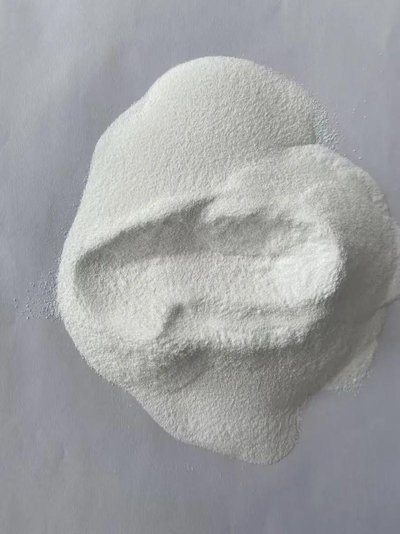
In R&D areas, the industry prioritizes green synthesis technologies, powder in‑situ surface modification, precise pore‑structure regulation and deep‑level impurity removal. Carbonization‑route and biomass‑based precipitated silica technologies keep optimizing, cutting carbon emissions while improving powder reinforcing capacity and dispersibility. In‑situ modification technology completes surface treatment during synthesis procedures, removing extra silane coupling‑agent dosing steps for downstream users and lowering comprehensive application costs. It adapts to complex formulation systems of rubber, silicone, coatings and biodegradable plastics. Downstream procurement criteria have also evolved. Instead of merely focusing on silicon‑dioxide content, indicator stability covering BET specific surface area, DBP oil‑absorption value, particle‑size distribution, pH value, ignition loss, heating loss and heavy‑metal content becomes the core reference for product selection. IOTA9002 precipitated silica boasts dry‑basis SiO₂ ≥98 %, full‑range particle‑size specifications of 200‑4000 mesh and stable batch‑to‑batch performance. Widely applied in rubber, sealants, coatings and rubber‑plastic filling sectors, it has gained wide recognition from downstream customers.
Market outlook: over August‑September short term, general‑grade precipitated silica will face intense competition with limited room for price surge and maintain weak‑stable operation. Backed by solid demand from new‑energy tires, photovoltaic silicone rubber, water‑borne coatings and biodegradable plastics, high‑dispersion custom‑modified high‑end precipitated silica will retain high market prosperity. From medium‑and‑long‑term perspective, advancing dual‑carbon policies will lift environmental‑protection access thresholds, and backward high‑energy‑consumption capacities with outdated processes will keep exiting the market. Industrial competition moves beyond simple price wars toward all‑round competition in production technologies, customized R&D strength, full‑process quality control and green‑manufacturing capability. Enterprises capable of flexibly adjusting powder performance according to practical formulation requirements and consistently delivering high‑quality products will secure larger market shares both domestically and globally.