(August 05, 2026)As we enter early August 2026, China’s precipitated silica industry is undergoing seasonal shifts in downstream consumption. Divergent operating rates across end‑use sectors, fluctuating raw‑material and energy expenses, strict environmental compliance requirements, booming new‑energy demand and changing overseas procurement demands are jointly driving profound adjustments to the whole industry. A pronounced market divide can be observed. Conventional filling‑type precipitated silica faces oversupply pressure, intense market competition and shrinking profit margins for manufacturers. By contrast, high‑performance surface‑modified precipitated silica customized for new‑energy tires, photovoltaic silicone rubber, water‑borne eco‑coatings and biodegradable polymers sees surging orders and extended delivery lead‑times. Investigations across major production bases, trading channels and end‑user factories reveal that market resources are increasingly flowing toward leading enterprises with independent modification R&D capabilities and complete quality assurance systems. The old‑style development model based solely on capacity expansion and price competition is facing greater constraints.
Total domestic capacity stays at a high level, yet there exists a huge gap in operating rates among different product grades. General‑purpose precipitated silica for ordinary rubber articles and low‑grade filling applications is abundantly available. Many small‑and‑medium‑size facilities keep running continuously to avoid economic losses caused by equipment shutdown, adopting the business strategy of small profit yet large sales volume. At present, tax‑inclusive transaction prices for general‑grade precipitated silica hover between RMB 5000‑5800 per ton. There is little possibility of price hikes amid fierce market competition. Confronted with rising costs of raw materials, most small and medium manufacturers have to absorb cost increases by compressing profit, and quite a few enterprises are operating close to the break‑even line. On the other hand, high‑end precipitated silica with high dispersion, large specific surface area and surface modification maintains strong market momentum. Order backlogs of key manufacturers have stretched well into the fourth quarter. Driven by regular environmental inspections, backward production capacities failing wastewater treatment, solid‑waste disposal and energy‑consumption standards keep phasing out, lifting the overall market concentration ratio. Modern production plants featuring continuous‑flow synthesis, membrane separation water recycling and closed‑loop wastewater treatment have gradually become the main supply force. In addition, multiple green manufacturing projects are being constructed nationwide. Industrial units that produce precipitated silica from industrial by‑product silicon sources and biomass feedstocks are under construction or trial operation. These projects will further enrich domestic high‑end product portfolios, reduce industrial energy consumption and carbon output, and narrow the performance gap compared with imported premium filler products.
Sodium silicate and sulfuric acid remain the essential raw materials for precipitated silica manufacturing. In early August, several sodium silicate production units enter scheduled annual maintenance, bringing about temporary supply shrinkage. Coupled with climbing coal and electricity costs, the whole industry is under heavy cost pressure. Due to serious product homogenization, general‑grade precipitated silica lacks bargaining power, making cost transfer to downstream buyers difficult. High‑end modified precipitated silica possesses outstanding performance in reinforcement, thickening and anti‑settling. Downstream clients are willing to accept product premiums, enabling manufacturers to mitigate risks from raw‑material price swings and secure core profit sources. Rising logistics and warehousing costs have transformed traditional circulation modes. The previous pattern of concentrated production in western China plus nationwide long‑distance transportation is gradually fading. Downstream processors tend to source raw materials locally. The geographical advantages of industrial clusters are further highlighted. Manufacturers located near downstream‑intensive areas of East China and South China enjoy prominent logistics benefits, while the volume of cross‑regional bulk cargo transportation declines.
Multiple downstream sectors deliver steady demand growth, and new‑energy tires continue to serve as the core growth engine for precipitated silica. Rising ownership of new‑energy vehicles pushes automakers to set stricter indicators for tire rolling resistance, wear performance, noise suppression and safety performance. Tire producers accordingly raise the addition ratio of high‑dispersion precipitated silica in formulas. According to industry survey data, precipitated silica is expected to take up nearly 69 % of total filler consumption in domestic new‑energy supporting‑tire formulations in 2026. Tire manufacturers impose stricter controls over impurity content, powder dispersion consistency, batch‑to‑batch stability and heavy‑metal limits. Traditional general‑grade precipitated silica can no longer satisfy technical requirements of new‑energy tire formulas, pushing filler producers to carry out technical renovation and product upgrading.
Expansion driven by photovoltaic and energy‑storage industries fuels the silicone market and boosts consumption of medium‑and‑high‑end precipitated silica. As a critical reinforcing filler for silicone rubber, precipitated silica’s BET specific surface area and DBP oil absorption value directly determine tensile strength, tear resistance, anti‑ageing and UV‑resistant properties of finished silicone‑rubber products. With capacity expansion of photovoltaic modules, energy‑storage encapsulant adhesives and electronic sealing adhesives, market demand for high‑purity precipitated silica with medium‑to‑high specific surface area grows steadily. Industry statistics forecast that the year‑on‑year consumption growth of precipitated silica in China’s silicone‑rubber industry will exceed 13 % in 2026. Downstream buyers require diversified particle sizes ranging from 200 mesh to 4000 mesh. Whether production lines can realize flexible switching of multiple specifications while guaranteeing stable batch quality has become an important assessment standard for supplier qualification.
Spurred by VOC emission reduction policies, the coatings and adhesives industry keeps advancing water‑borne transformation. Output of water‑borne anti‑corrosion industrial coatings, architectural waterproof coatings and eco‑friendly water‑borne adhesives keeps increasing year by year, generating sustained demand for modified precipitated silica. Direct application of unmodified precipitated silica in water‑borne formulas easily triggers powder agglomeration, sedimentation and delamination. Surface‑modified precipitated silica combines multiple functions including thickening, matting, anti‑sagging, anti‑settling and abrasion‑resistant reinforcement, acting as an indispensable functional filler for water‑borne coating systems. Beyond conventional coatings and adhesives, the biodegradable‑plastics sector achieves rapid development. In the modification and processing of PLA, PBAT and other biodegradable resins, special precipitated silica works as reinforcing agent, anti‑caking additive and nucleating agent, improving processing characteristics and mechanical properties of final products and creating new market space for precipitated silica.
Export business maintains positive momentum, and Chinese precipitated silica gains greater influence across global markets. Continuous capacity expansion of tire manufacturing in Southeast Asia and South Asia keeps these regions as major overseas export destinations. Export volumes of REACH‑compliant high‑dispersion high‑end grades to European and American markets keep rising, and overseas customers show growing recognition of domestically‑produced high‑performance fillers, accelerating import substitution in high‑end segments. The export structure dominated by low‑end general‑grade products is being transformed. The export proportion of high‑value‑added modified precipitated silica keeps increasing, further consolidating China’s position within the global new‑material supply chain.
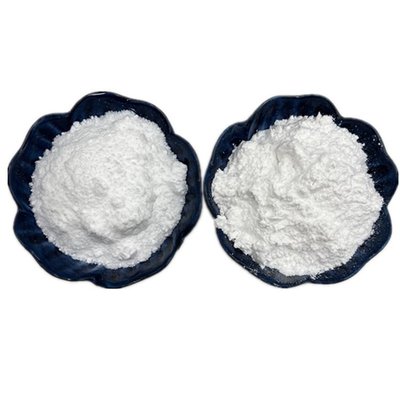
In R&D work, the industry focuses on green synthesis routes, in‑situ surface modification of powder, precise pore‑structure control and deep impurity removal. Carbonization‑based and biomass‑derived precipitated silica technologies are continuously optimized to cut carbon emissions while enhancing reinforcing effect and dispersibility of powder. In‑situ modification technology completes surface treatment during the synthesis phase, eliminating additional silane coupling‑agent dosing steps for downstream users and lowering comprehensive application costs. Such technology fits complex formulation systems of rubber, silicone, coatings and biodegradable plastics. Downstream procurement standards have also changed. Instead of only focusing on silicon dioxide content, the stability of a full set of indicators such as BET specific surface area, DBP oil absorption value, particle‑size distribution, pH, ignition loss, heating loss and heavy‑metal content forms the core reference for product selection. IOTA9002 precipitated silica features dry‑basis SiO₂ ≥98 %, covers full particle‑size specifications of 200‑4000 mesh with stable batch‑to‑batch performance. Widely applied in rubber, sealants, coatings and rubber‑plastic filling fields, it has won wide recognition from downstream clients.
Market outlook: in the short‑term August‑September period, general‑grade precipitated silica will face fierce competition with limited room for price surge and maintain weak‑stable operation. Supported by strong demand from new‑energy tires, photovoltaic silicone rubber, water‑borne coatings and biodegradable plastics, high‑dispersion custom‑modified high‑end precipitated silica will stay at a high prosperity level. From medium‑and‑long‑term perspective, the execution of dual‑carbon policies will lift environmental‑protection thresholds, and backward capacities with outdated processes and high energy consumption will continue to exit the market. Industrial competition shifts away from simple price wars toward comprehensive competition covering production techniques, customized R&D capacity, full‑process quality control and green manufacturing strength. Enterprises that can flexibly adjust powder performance according to actual formula requirements and stably deliver high‑quality products will capture larger market shares both domestically and globally.