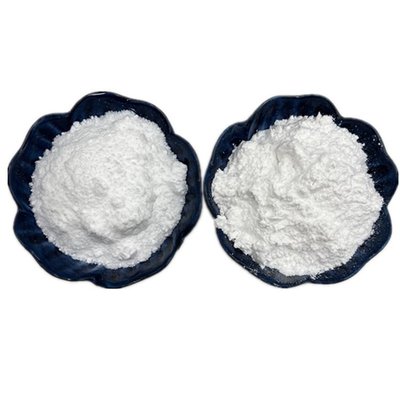
In mid‑to‑late August, the traditional off‑season for domestic chemical industry continues. The silica market presents an operating pattern of "moderate rise with intensified structural differentiation". Instead of simple price ups and downs, the market shows an obvious divergence: general industrial‑grade products face pressure while high‑end grades remain strong. Precipitated silica for general purposes has limited room for price increase due to slow recovery of traditional downstream demand. By contrast, high‑dispersion tire‑grade silica and fumed silica gain strong price resilience, supported by green tire manufacturing, silicone rubber, photovoltaic encapsulant materials, electronic adhesives and foreign trade orders.
According to monitoring data from SCI99, the benchmark quotation of domestic silica stands at about 6000 RMB/ton on August 17, climbing slightly compared with early August. Nevertheless, the benchmark price cannot fully reflect the real market condition. Price gaps among grades for different applications and dispersity keep widening. General precipitated silica has sufficient spot supply with negotiable transaction prices. High‑end tire‑grade and fumed silica have tight order schedules, extending delivery cycles for some buyers. Market transactions focus more on confirmed order fulfillment, while spot sporadic trading stays inactive.
On the supply side, major domestic silicamanufacturers adopt differentiated production strategies. Facing the off‑season of traditional downstream sectors, most producers cut operating rates for ordinary precipitated silica appropriately to ease inventory accumulation and avoid low‑price shipment. Meanwhile, production lines for fumed silica and high‑dispersion tire‑specific silica keep high operating rates. Production resources are prioritized for overseas clients, leading tire enterprises, silicone rubber factories and new‑energy‑related material manufacturers.
Recently, several previously overhauled production units have restarted, lifting the total market supply. However, structural supply shortage has not been relieved obviously. General industrial‑grade goods are adequate, yet high‑quality premium grades remain tight with pre‑order lead‑time required for part of orders. Small‑and‑medium‑sized manufacturers keep low operating rates affected by raw‑material costs, insufficient orders and capital pressure. Cut‑throat low‑price competition has eased, and capacity elimination and industrial reshuffling are still underway.
In terms of costs, key raw materials for precipitated silica including sulfuric acid and sodium silicate fluctuate in a narrow range, without sharp surges or declines. Raw‑material costs exert limited driving force on silica prices. Production costs are more reflected in energy consumption, environmental protection, labor, equipment maintenance and downstream formulation certification. Thus judging product quotations merely by raw‑material prices becomes less referential. Methylchlorosilane, feedstock of fumed silica, fluctuates along with the silicone industry chain, forming solid cost support and preventing sharp price drops for high‑end products.
Overall, cost‑driven momentum weakens at present. Supply‑demand game turns into the core factor dominating silica prices. General precipitated silica is mainly pressured by sluggish demand, while high‑end silica is backed by robust demand from emerging downstream industries and stable export orders.
Downstream demand shows distinct polarization. Traditional sectors such as rubber goods, ordinary shoe materials and general‑purpose coatings enter seasonal off‑season. End‑users mainly purchase on‑demand without large‑scale stock‑up willingness, resulting in reduced procurement volume for common precipitated silica. Some downstream enterprises wait‑and‑see, slowing purchasing rhythm and slowing inventory digestion for general grades.
On the contrary, green‑tire industry maintains solid demand for silica. Driven by domestic tire energy‑efficiency regulations, tire manufacturers attach greater importance to low rolling resistance, high wear resistance and good wet‑skid resistance. The proportion of high‑dispersion silica in tire formulations keeps rising. Besides, overseas demand for Chinese tires and tire raw materials stays active. Stable export orders of many tire plants sustain high consumption of high‑dispersion silica.
Moreover, booming demand from emerging tracks including silicone rubber, photovoltaic encapsulants, electronic adhesives and composite materials becomes a major growth driver for fumed silica and high‑grade precipitated silica. Photovoltaic industry raises higher performance requirements for encapsulating materials, and electronic adhesives demand fillers with excellent dispersity, purity and stability. Such downstream buyers prefer high‑end silica with stable quality and consistent batch performance. Exports remain a vital pillar for high‑end silica market. Overseas buyers show strong purchasing interest in high‑dispersion and fumed silica. Many manufacturers have full export order books, offsetting pressure brought by domestic traditional‑industry off‑season.
Inventory presents obvious structural divergence. Social inventory of ordinary industrial‑grade precipitated silica sits at medium‑to‑high level, forcing some manufacturers to destock. Without notable demand improvement, general grades may still face price pressure. High‑end fumed silica and tire‑grade silica maintain low inventory, adopting order‑oriented production with fast inventory turnover and little spot pressure.
Traders stay prudent and mostly adopt purchase‑for‑sale mode instead of heavy stock‑holding to avoid price‑fluctuation risks. Though this practice eases capital pressure for traders, it reduces spot buffer capacity of the market. Short‑term supply shortage may occur for tight‑supply grades during concentrated order delivery periods.
Market outlook: In the short run, the domestic silica market will hardly see one‑sided price surge or slump, and structural shocks will persist. Burdened by off‑season traditional downstream demand, general precipitated silica faces upward resistance and will likely fluctuate within a narrow band. Supported by exports and emerging‑industry consumption, fumed silica and high‑dispersion tire‑grade silica are expected to keep firm prices.
Future market trends hinge on several key variables: firstly, operating‑rate recovery of tire factories, especially improvement of domestic terminal tire demand; secondly, price swings of sulfuric acid, sodium silicate and silicone‑chain feedstocks that may bring cost changes; thirdly, stability of overseas orders. Strong export demand will continuously underpin high‑end silica prices; fourthly, substantial demand recovery in the traditional "Golden September & Silver October" peak season.
To sum up, the silica market in mid‑to‑late August is still in off‑season verification phase, featuring pressure on common products and strength of premium grades. When setting quotations and arranging production, enterprises should pay close attention to downstream order mix, proportion of high‑grade orders, export lead‑time and inventory turnover, rather than pricing merely according to cost or market sentiment. For traders and downstream purchasers, arrange procurement as actual needs. Lock supply in advance for tight‑supply high‑end grades, and replenish inventories flexibly for ordinary grades based on stock levels.