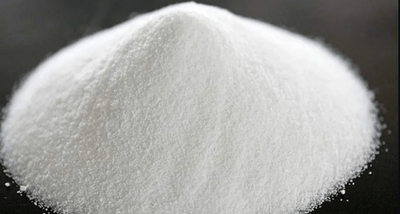
(August 07, 2026)Entering early August, China’s precipitated silica market stands at a critical transition point between off‑season and peak‑season. Downstream enterprises gradually raise production loads, and market inquiries have picked up compared with earlier periods. Driven by overlapping factors including overcapacity, stricter environmental‑protection regulations and rapid development of downstream new‑materials, the industry’s survival‑of‑the‑fittest process keeps accelerating. Conventional general‑grade precipitated silica is trapped in fierce stock‑market competition, and price games have become a market norm. By contrast, specialty precipitated silica tailored for new‑materials, high‑end rubber and fine‑chemical sectors sees sustained demand thanks to its unique physicochemical properties, acting as the core growth driver of the industry. The whole industry is fully shifting from capacity‑expansion era toward high‑quality development featuring quality improvement and refined development.
From the supply‑side perspective, overall capacity of China’s precipitated silica is sufficient, yet the proportion of high‑quality effective capacity remains to be improved. A large number of small‑and‑medium‑sized production facilities with outdated processes and insufficient three‑waste treatment capacity are continuously restricted by environmental‑protection inspections and energy‑consumption control. Their operating rates fluctuate greatly, and part of capacities remain idle for a long time. Leading industrial enterprises keep increasing investment in technical transformation. On one hand, they optimize existing production lines to boost production efficiency and finished‑product qualification rate of general‑grade goods and guarantee supply for basic market. On the other hand, they ramp up R&D and capacity release for specialty grades and develop differentiated products for diverse downstream clients. Salt‑containing wastewater treatment remains a core bottleneck restricting industrial development. Many enterprises invest more in salt‑recovery and reclaimed‑water reuse equipment, reduce wastewater output via process optimization and realize resource utilization of waste to cut long‑term production and operation costs. Market resources keep concentrating in leading enterprises with R&D strength and complete environmental‑protection facilities, further lifting industrial concentration. The phase‑out of backward capacities will continue.
In terms of raw‑material costs, sodium silicate, the primary feedstock for precipitated silica, maintains volatile prices affected by quartz‑sand mining, soda‑ash market and energy‑price linkage. Auxiliary material and utility costs such as sulfuric acid, electricity and steam also exert notable impacts on manufacturers’ production costs. Sufficient supply of general‑grade precipitated silica brings fierce market competition, making it difficult for producers to pass on rising upstream costs downstream. Profit margins for most manufacturers of conventional grades keep being squeezed. In comparison, specialty modified silica builds high technical barriers through surface‑modification technology, strict impurity control and stable batch performance, and enjoys stronger capacity for cost bearing and cost transfer. More and more manufacturers actively adjust product structure, cut output of low‑margin general‑grade products and expand production proportion of high‑value‑added specialty goods. These actions hedge operational risks caused by raw‑material price swings and improve overall profitability.
Downstream consumption market shows obvious polarization. Rubber sector remains the largest consumption market for precipitated silica. Demand for traditional tires stays stable. Sustained growth of new‑energy‑vehicle industry fuels steady rising demand for high‑dispersion silica, and tire manufacturers set higher requirements on filler dispersibility, reinforcement performance and rolling‑resistance indicators. Stable procurement of low‑impurity, high‑reinforcement silica persists in fields such as silicone rubber seals, special rubber hoses and shock‑proof rubber articles. In coatings‑and‑inks sector, demand for matting and anti‑settling silica grows steadily as infrastructure and home‑decoration projects start construction in the second half of the year. Water‑borne coatings and powder coatings impose higher requirements on powder dispersibility. Fine‑chemical tracks including feed, toothpaste and pesticides enforce strict controls over heavy‑metal content, microorganism index and ignition loss, bringing high market access thresholds and steady demand growth. Meanwhile, emerging‑material sectors such as lithium‑ion batteries, aerogels, degradable plastics and thermal‑conductive fillers keep carrying out abundant application tests on precipitated silica regarding pore volume, specific surface area and surface activity, opening up new market space continuously.
On the foreign‑trade front, China’s total export volume of precipitated silica stays stable, and the mix of exported products keeps optimizing. Regions including Southeast Asia and the Middle East still purchase large volumes of cost‑effective general‑purpose industrial‑grade silica. Requirements for imported raw materials keep rising in European and American markets. REACH registration, carbon‑footprint reports and food‑contact safety certifications have become hard thresholds for many orders, and the export proportion of high‑end modified silica keeps increasing. Domestic enterprises with complete testing conditions and full compliance qualifications gain growing competitive advantages in overseas high‑end projects. At the same time, international competitive pressure cannot be ignored. Established overseas chemical enterprises and suppliers from newly‑emerging producing regions keep competing for market shares. Apart from consolidating product quality, domestic exporters need to accumulate various compliance documents and strengthen overseas technical docking services to further expand the global market share of Chinese precipitated silica.
In R&D, industrial efforts focus on three major directions: powder surface modification, precise pore‑structure regulation and clean synthetic processes. Many high‑end grades used to rely heavily on imports. Continuous domestic R&D investment narrows performance gaps against international counterparts. Many enterprises build dedicated application‑R&D laboratories to conduct formula tests simulating clients’ actual production conditions. They customize various indicators of precipitated silica for different downstream systems and transform from simple powder suppliers into material‑solution service providers. Intelligent control systems gain wider popularity, realizing fine control over reaction temperature, pH value and feeding rate and effectively mitigating performance fluctuations among batches. R&D patents balance product performance upgrading and green production, featuring extensive technical research on wastewater recycling, by‑product recovery and low‑energy‑consumption synthesis to achieve both economic benefits and environmental‑protection compliance.
According to comprehensive market information from multiple sources, overall demand for precipitated silica is expected to further rebound in mid‑to‑late August with the full arrival of traditional peak season. Nevertheless, inventory pressure for general‑grade products still exists, the market lacks foundations for sharp price hikes, and market sentiment will most probably remain volatile and consolidated. Market opportunities mainly lie in niche segments including high‑dispersion tire‑grade, coating‑matting, fine‑use carrier and new‑material supporting silica. For manufacturers, accelerating production‑line technical transformation, exploring segmented downstream markets, completing various compliance certifications and strengthening formula‑application services constitute important paths to boost competitiveness. When selecting raw materials, purchasers shall not merely refer to procurement prices. They shall attach great importance to batch‑to‑batch stability, impurity indicators and suppliers’ environmental‑protection compliance capability, select suitable grades matching formula requirements, reasonably control stocking scale and mitigate supply‑chain risks brought by market fluctuations.