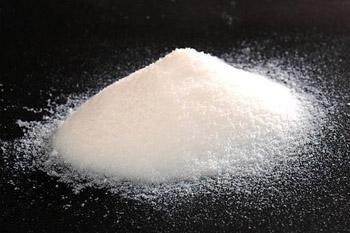
(August 4, 2026)As global energy conservation and emission reduction regulations for road vehicles become increasingly stringent, tire manufacturers are accelerating the optimization of rubber formulas. High-dispersible precipitated silica has become an irreplaceable reinforcing filler for low rolling resistance green tires. Continuous progress in silica surface modification technology and matching silane coupling agent systems keeps lifting the performance ceiling of finished tires. The deep cooperation between silica suppliers and tire enterprises on joint formula development is gradually forming a new industrial model, which profoundly changes the long-term competition pattern of the silica market for tires.
For many years, carbon black dominated the reinforcing filler market of rubber tires. Nevertheless, carbon black cannot meet the stricter standards for rolling resistance and fuel consumption of new energy vehicles. When high-dispersible silica is added to tire rubber compounds, it can effectively reduce the hysteresis loss of rubber materials, cut rolling resistance, extend the cruising mileage of electric vehicles, and improve wet skid resistance and driving safety. At present, major tire brands around the world are raising the mixing proportion of silica in tire formulas. For new energy passenger car tires, the proportion of silica in reinforcing fillers continues to rise, and related research on all-silica rubber formulas is also being carried out in many R&D centers.
The performance of silica directly determines the processing performance of rubber mixtures and the final quality of tires. Ordinary precipitated silica has poor dispersion in rubber, which leads to increased mixing energy consumption and uneven material properties. Therefore, tire manufacturers mainly adopt modified high-dispersible silica. The surface modification process controls the reaction activity of silica, improves its compatibility with rubber molecules, and reduces the dosage of silane coupling agents accordingly. Many silica producers are optimizing reaction parameters in precipitation procedures and post-treatment processes to adjust pore structure, specific surface area and particle size distribution, developing customized silica products according to different tire formula requirements.
From the supply side, the market supply of tire-grade high-dispersible silica is still tight. The production technology threshold of this type of product is high, and the whole production process requires precise continuous control. Only a small number of manufacturers can achieve stable mass production with consistent batch indicators. New production lines need a long cycle of construction, commissioning and customer certification. Even if new capacity is put into operation, it cannot quickly relieve market supply pressure. In addition, the price fluctuation of silane coupling agents increases the production cost of modified silica. Manufacturers with self-owned supporting silane production capacity have obvious cost advantages, while independent silica factories face greater profit pressure.
Downstream demand presents obvious hierarchical characteristics. Large international tire groups and domestic leading tire companies have sufficient R&D funds and stable order volume. They sign long-term framework agreements with qualified silica suppliers to lock high-quality supply resources and jointly develop new silica varieties for next-generation tire formulas. On the contrary, small and medium-sized tire manufacturers are limited by capital and technical conditions. They are more sensitive to raw material prices and often choose low-cost general silica. Such products are difficult to meet the production requirements of high-end green tires, and their finished products can only be positioned in the low-end market.
Global tire export demand further drives silica consumption. Many countries have successively implemented tire labeling laws to grade tires based on rolling resistance, braking performance and noise indicators. Tires that fail to reach the standard are restricted from entering the market. In order to meet overseas access requirements, tire export enterprises must upgrade their formulas and increase the procurement volume of high-performance tire-grade silica. This trend continuously expands the overseas market demand for high-dispersible silica produced in Asia.
Cooperative R&D between upstream silica manufacturers and downstream tire enterprises has become an important development trend. In the past, tire factories purchased finished silica and adjusted formulas independently. Now, more and more enterprises carry out joint research, jointly explore the matching relationship between silica structure, silane system and rubber materials. This deep binding mode helps silica manufacturers target product performance indicators accurately, shorten the product test cycle, and also help tire brands speed up the research progress of new tire products. Once the joint development is completed, the switching cost of raw materials for tire enterprises increases significantly, forming stable long-term supply relations.
Market analysts believe that the penetration rate of silica in global tire formulas will maintain an upward trend in the next five years, supported by the popularization of new energy vehicles and the continuous tightening of tire energy efficiency standards. The market space of tire-specific high-dispersible silica is broad. However, as more manufacturers invest in related production projects, market competition will gradually intensify in the medium and long term.
Silica producers need to keep improving product stability and strengthen technical service capabilities to maintain cooperative relations with tire enterprises. Tire manufacturers should advance the layout of diversified supplier channels to avoid production risks caused by tight supply of key raw materials. Overall, the tire sector remains the largest downstream consumption market of silica. The ability to develop tire-grade high-dispersible silica and carry out downstream joint research will become the core indicator to measure the competitiveness of silica enterprises in the high-end market.